Manufacturing has long adopted new technology early. The current wave is different in one important way: Artificial Intelligence (AI), Machine Learning (ML), and the Internet of Things (IoT) are converging into a single operational stack. Together they support higher efficiency, more consistent quality, and more sustainable running of plants—when data, models, and workflows are designed for industrial reality.
This article walks through the main advancements manufacturers are achieving with AI/ML-based IoT, and the trends that will shape what comes next.
How AI, ML, and IoT Fit Together
- AI builds systems that can perform tasks associated with intelligence—pattern recognition, problem-solving, and decision support.
- ML, a subset of AI, lets systems improve from experience and historical/live data.
- IoT connects physical devices with sensors and software so they collect and share data over industrial networks and the internet.
When AI/ML runs on IoT data from the plant, manufacturers unlock use cases that were impractical with periodic manual checks alone.
Predictive Maintenance: Less Downtime, Better Efficiency
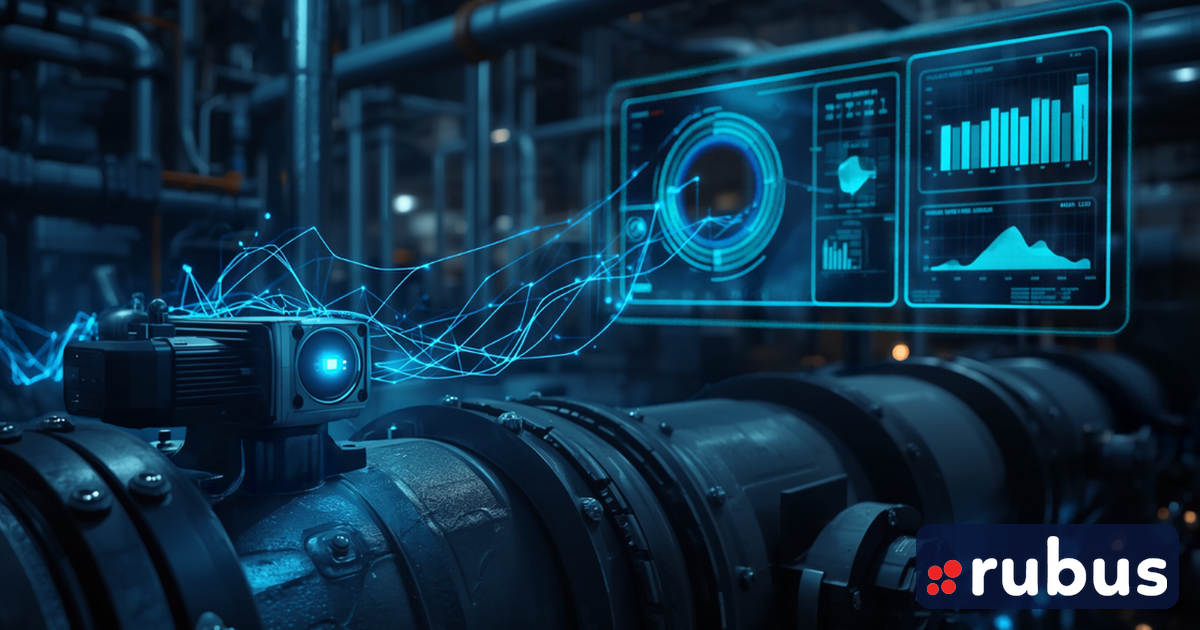
One of the strongest applications of AI/ML-based IoT is predictive maintenance. Traditional schedules often follow calendar intervals or rough estimates, which can mean unnecessary work—or missed failures. IoT sensors on machinery collect real-time indicators such as temperature, vibration, and pressure. AI algorithms analyse those signals to estimate when equipment is likely to degrade or fail.
That proactive stance helps minimize unplanned downtime, reduce wasteful maintenance, and extend equipment life. Efficiency and productivity improve because assets stay available longer and interventions are planned. Success depends on good sensor placement, clean data, and maintenance processes that act on alerts—not on algorithms alone.
Quality Control: Precision and Consistency
AI/ML-based IoT has also raised the bar for quality control. Computer vision systems, powered by AI, inspect products on assembly lines. Cameras and sensors analyse visual (and sometimes multimodal) data to flag defects or inconsistencies. As systems see more examples, they typically become better at recognizing imperfections under real plant conditions.
Results manufacturers care about: higher product quality, less scrap and rework, and a clearer link between process conditions and defect patterns—important for both efficiency and sustainability.
Process Optimization: Efficiency and Stability
Manufacturing processes benefit when IoT sensors gather machine and environmental data—temperature, humidity, pressure, and related variables—and AI algorithms process that information quickly enough to guide control. For example, sensors can monitor ambient and process conditions while models or rules adjust setpoints to protect product quality and avoid excess energy use.
The outcome is more stable, efficient production: fewer excursions, less overcompensation, and better use of energy and materials. Optimization should always respect safety interlocks and validated process limits; AI augments control strategy, it does not bypass it.
Energy Efficiency: Lower Operating Cost and Impact
Energy and environmental performance are now core manufacturing concerns. AI/ML-based IoT helps by monitoring usage across buildings, lines, and utilities, then analysing patterns to reduce waste. Adjustments to lighting, heating, cooling, and process energy—guided by measured demand—can lower operating cost and environmental impact.
Industrial energy programs differ from consumer smart thermostats, but the principle is similar: learn patterns, act in near real time, and verify savings with data. Pairing energy analytics with condition monitoring often reveals assets that waste power because they are unhealthy—not only because setpoints are wrong.
Safety and Security: Protecting People and Assets
Combined IoT and AI/ML also support safer, more secure facilities. Cameras and sensors can watch for unusual conditions or potential threats; algorithms analyse streams in real time and flag irregularities for rapid response. In plants with hazardous processes or sensitive materials, earlier detection of abnormal conditions protects workers and assets.
As with maintenance and quality, human oversight and clear escalation paths remain essential. Technology improves awareness; governance defines response.
Trends Shaping the Next Phase
As AI/ML-based IoT evolves, several trends will influence manufacturing:
1. Higher-performance connectivity (including 5G where appropriate) — Faster transmission and lower latency support real-time applications such as mobile robotics and remote monitoring of critical assets.
2. Edge computing — Processing closer to devices reduces latency and conserves bandwidth, which makes real-time decision-making more practical on the shop floor.
3. Specialized AI hardware — More efficient chips tailored to AI workloads will make on-prem and edge inference more viable for continuous industrial use.
4. Responsible AI practices — Data usage, privacy, accountability, and model governance will matter more as AI embeds deeper into production decisions.
Manufacturers should also plan for cybersecurity and skills: connected intelligent systems need protected networks and people who can interpret model output in operational context.
Where Impact Shows Up Across the Value Chain
Predictive maintenance, quality control, process optimization, energy efficiency, and safety are among the clearest wins today. Related areas—such as better coordination of materials and asset information—benefit from the same foundation: trustworthy IoT data and analytics that operators trust. Challenges remain—security, integration with legacy OT, and the need for skilled professionals—but they are manageable with phased programs and clear ownership.
Practical Takeaway
AI/ML and IoT advance manufacturing when they are applied to concrete problems: downtime, defects, process drift, energy waste, and unsafe conditions. Start with one or two high-value use cases, ensure edge-to-cloud data paths are reliable, and close the loop with maintenance and operations workflows. The destination is a smarter, more connected, and more sustainable plant—built step by step on measured outcomes.
Soft CTA: Rubus AI-ML Workbench, together with Rubus IIoT Platform, helps manufacturers move from machine and sensor data to predictive maintenance, condition insight, and operational optimization. Explore the platform or request a demo to identify a first AI/ML IoT use case for your lines.



%20(3).png)